Why merchant retention is the new growth strategy
 Rob Riggs, CTO / Partner·May 26, 2026·1 min read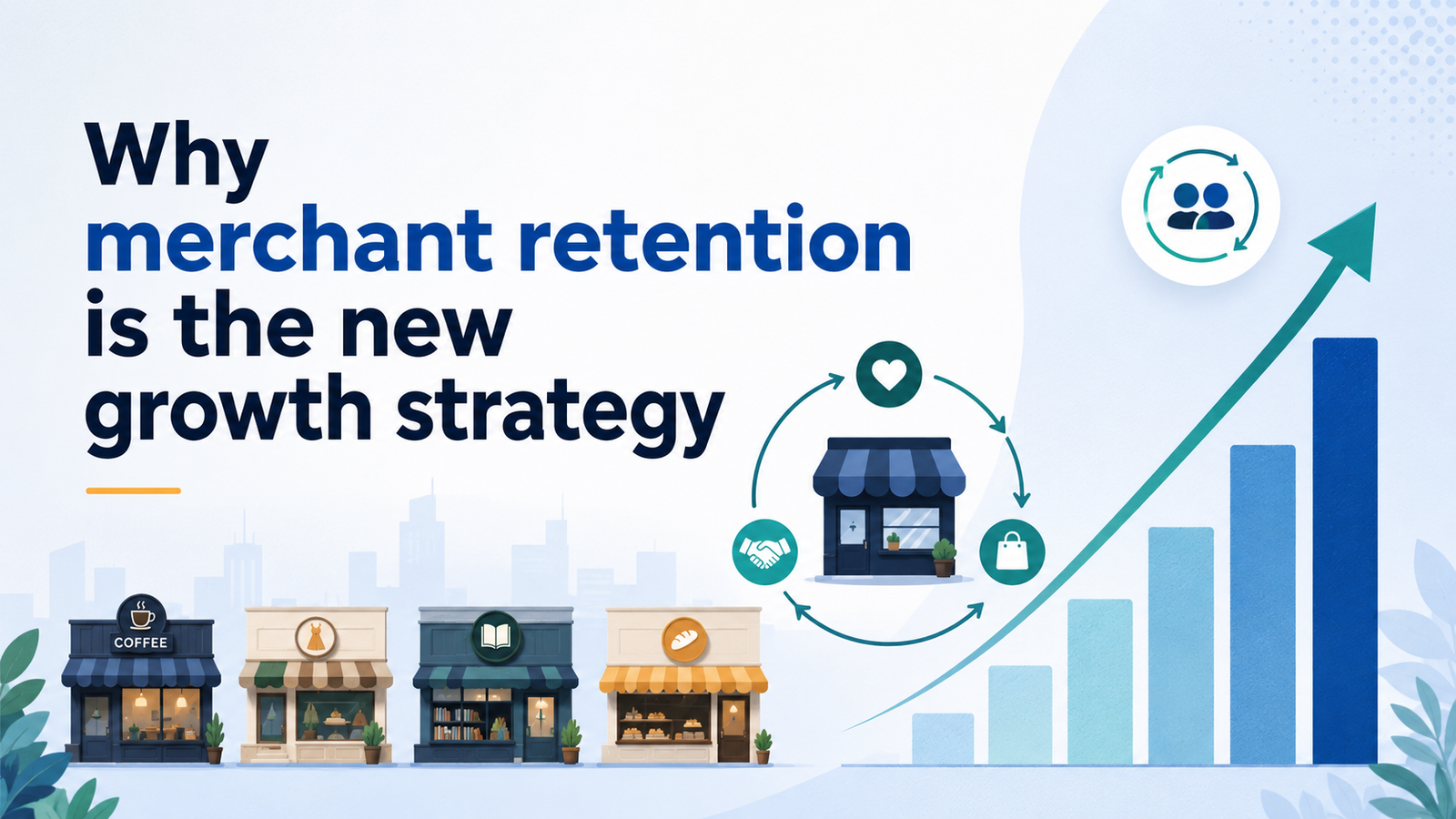
For years, the payments industry optimized for one thing: signing new merchants. Sales teams were measured on net-new logos, marketing budgets fed the top of the funnel, and the assumption was simple, if attrition happened, just replace the lost account with two new ones. That math worked when acquisition was cheap and competition was thin. Neither is true anymore.
The economics have flipped
The cost to acquire a merchant has climbed steadily for a decade, while average revenue per merchant has compressed under rate pressure. A merchant who churns in month nine is almost always unprofitable. A merchant who stays for five years is a compounding annuity. Retention is no longer a defensive metric, it is the single biggest lever on portfolio value.
The partners winning right now have stopped framing retention as a cost center. They treat it as their core growth strategy, and they invest in it accordingly. That investment usually shows up in a few specific ways:
- Delivering tangible, recurring value beyond processing: savings, protection, and growth tools merchants actually use.
- Owning the merchant relationship through a branded experience rather than handing it off to a third party.
- Measuring engagement monthly, not just at renewal: because by the time a merchant calls to cancel, the relationship was lost months earlier.
The partners who get this right don't just retain more merchants. They earn the right to expand the relationship: adding products, raising share of wallet, and building the kind of trust that makes rate conversations irrelevant. Retention, done well, is growth.